.svg)
Adding Precision Supervision to CommCare and Evaluating it at Scale
Project Description
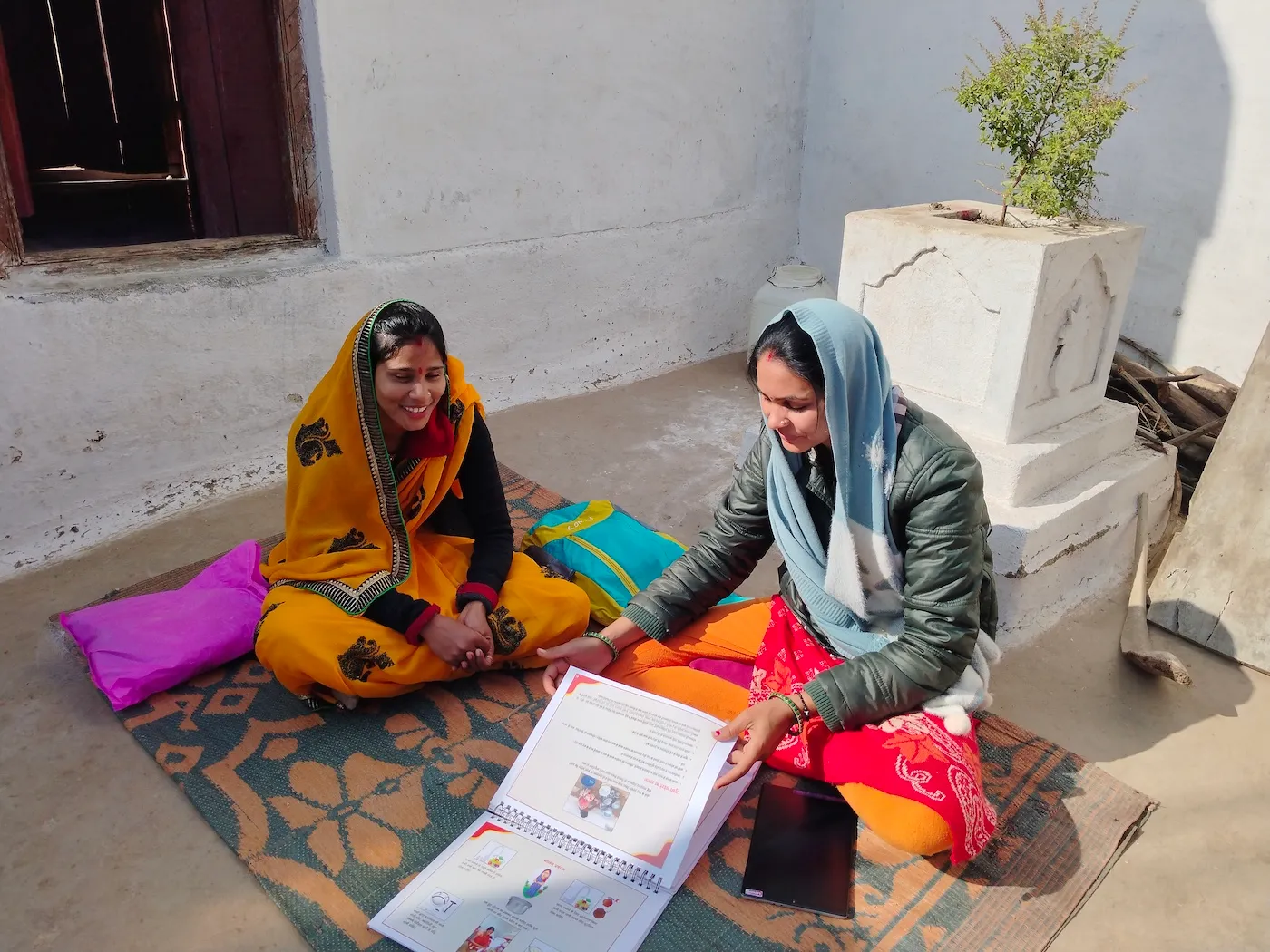
India deploys over two million frontline health workers throughout the country to provide maternal and child health services through home visits, antenatal care, and nutrition programs. India has made significant progress in reducing child mortality and morbidity but continues to witness significant malnutrition levels in early childhood. According to NFHS-5 (2019–21), 32.1% of children under five are underweight (low weight-for-age), 35.5% are stunted (low height-for-age), and 19.3% are wasted (low weight-for-height). One way to improve outcomes is by arming frontline workers with digital tools that improve the efficacy of their work. Dimagi's open source CommCare platform has been used to equip over 750,000 frontline workers with mobile apps in over 80 countries. Strong evidence, including several randomized controlled trials, demonstrates that equipping frontline workers with CommCare improves client outcomes such as maternal mortality, low birth weight, and malnutrition in the first 1,000 days after birth. With support from the DIV Fund and other partners, Dimagi is testing predictive analytics using government-owned data captured by its platform and leveraging recent advances in artificial intelligence (AI). By working with frontline workers at Anganwadi Centres, Dimagi is applying predictive analytics to help frontline workers and their supervisors proactively identify and prioritize children at high risk for malnutrition. Dimagi and its partners at The American India Foundation (AIF) are bringing predictive analytics in public health to the community level, by enabling earlier, more targeted action in nutrition programs. Through the power of predictive analytics, this work has the potential to directly benefit 27 million people over the next five years, not only in health and nutrition, but also agriculture, education, and other sectors around the world.
Other Projects
Explore more projects from the DIV Fund
.webp)