.svg)
Community Health Worker-Led Participatory Learning and Action
Project Description
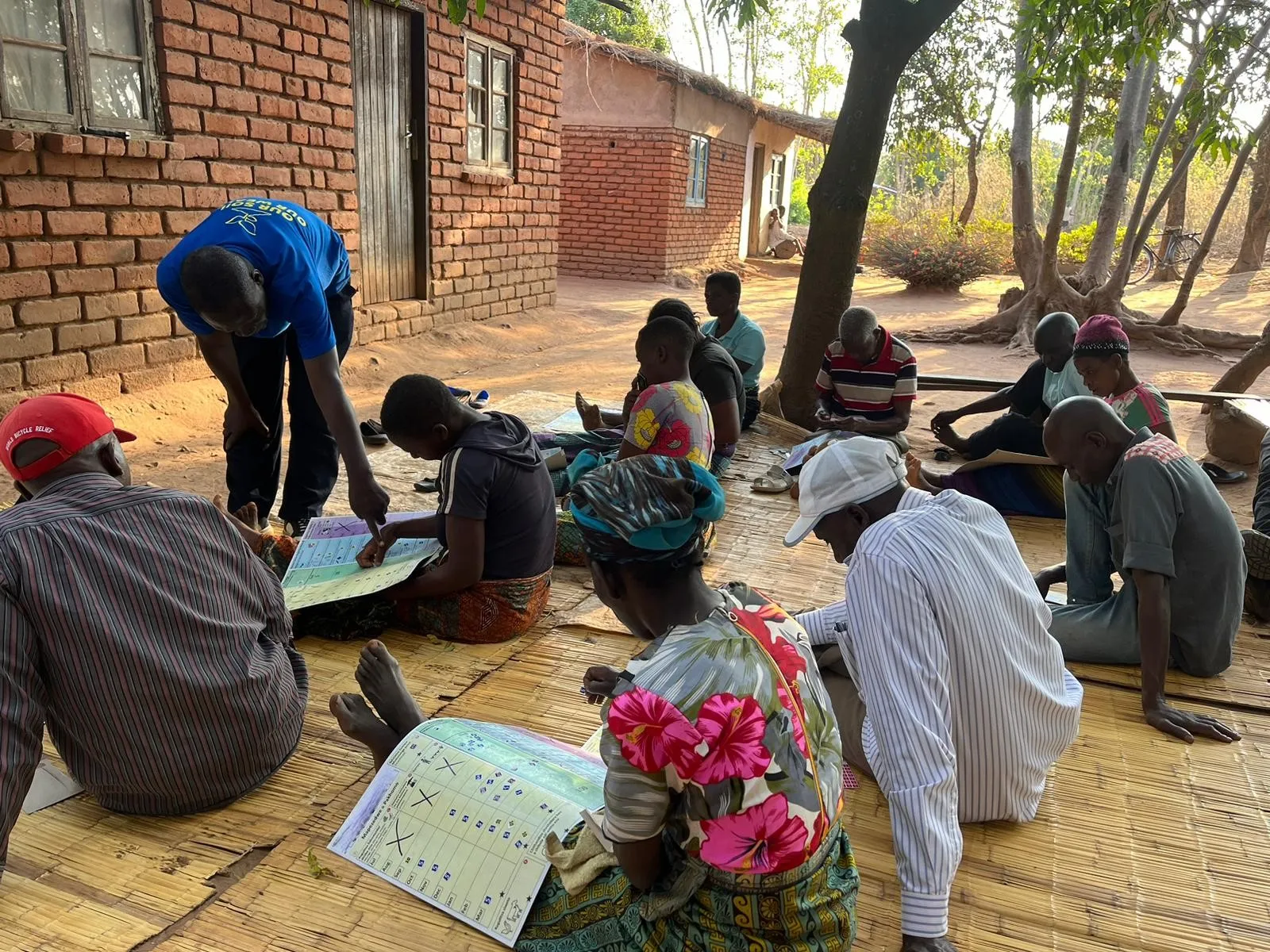
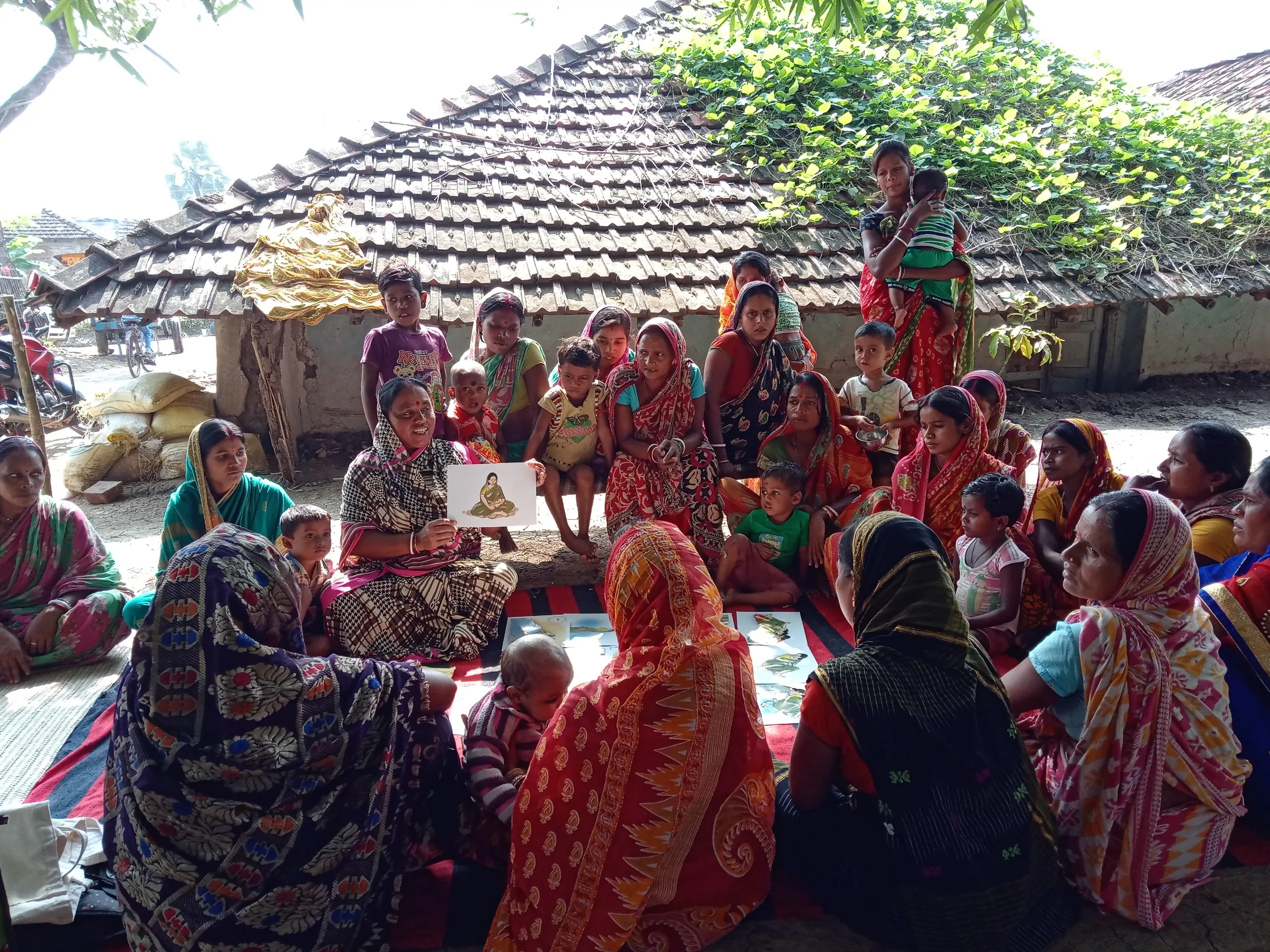
The Community Health Worker (CHW)-led Participatory Learning and Action (PLA) Project will take a community health intervention model that has been proven in India to reduce neonatal mortality rate (NMR) at scale (via multiple RCTs) and introduce it and rigorously test it in Mozambique where there is high NMR and where there is a clear opportunity to scale and sustain the approach. Under PLA, CHWs facilitate communities, through a cycle of regular meetings, to collectively identify the causes of newborn mortality in their villages and generate and implement locally feasible responses (e.g., organizing emergency transport). PLA has been shown to be effective at drastically reducing NMR in high mortality contexts. In India, it has been scaled across multiple states through government systems covering more than 65 million people. Rigorous evaluations of this scaling approach show an average reduction in NMR of 24% in two years. It has been recommended by the WHO to be scaled in other high-mortality contexts. Through this activity, Kybele Worldwide, Ekjut, and University College London will support in-country stakeholders in Mozambique to adapt the CHW-led PLA model to their context; pilot, test, and refine the approach (including through an RCT); and then bring successful aspects of the approach to national scale within broader community health reforms. The project will share lessons with other high-potential contexts and seed pilots where interest and clear pathways to scale are identified. Photo credit: Ekjut
Other Projects
Explore more projects from the DIV Fund
.webp)