.svg)
Using Satellite Imagery to Reduce Air Pollution
Project Description
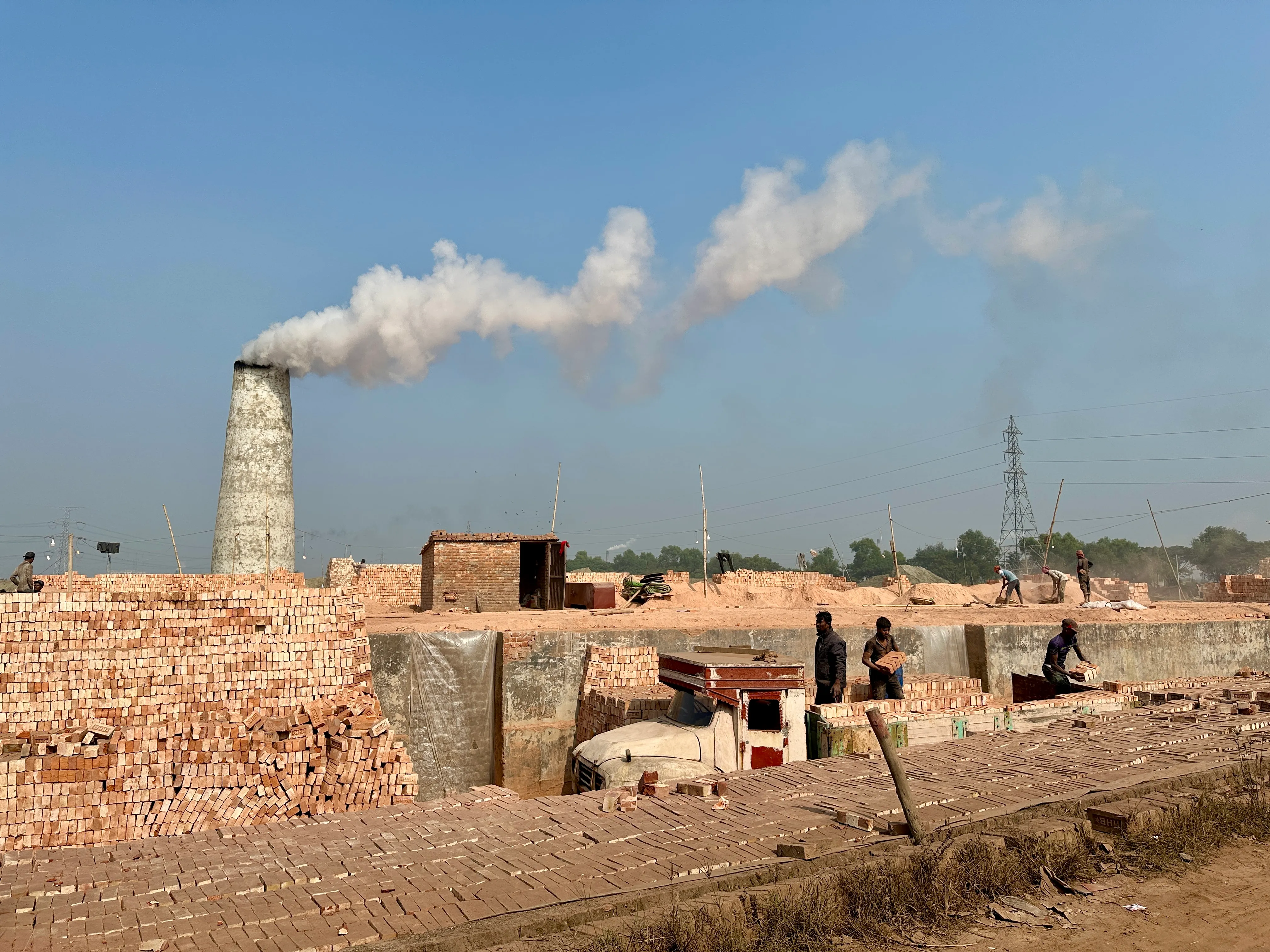
In Bangladesh, air pollution shortens the average person's life by 6.9 years. The country's average annual particulate concentration is almost 74, nearly 15 times the WHO guideline of five. Exposure to air pollution causes life-threatening diseases such as asthma, cancer, and heart disease. In 2014, the Government of Bangladesh introduced a regulation that makes a primary source of pollutants - brick kilns - illegal near population centers, schools, and medical facilities. However, kilns continue to operate in violation of the regulation due to insufficient enforcement, putting the health of millions of people at risk. In 2022, Bangladesh's Department of the Environment (DoE) found that 60 percent of the country's 7,881 brick kilns operate illegally without environmental clearance and that up to 58 percent of fine particles (commonly referred to as PM2.5) in Dhaka air come from brick kilns. To increase the efficiency of limited enforcement resources, the ARCED Foundation (ARCED) developed an information system that combines satellite images with machine learning algorithms to identify and locate brick kilns and predict the health harm each individual kiln causes based on proximity to schools, healthcare facilities, and population centers. ARCED packaged this information in a user-friendly dashboard, which the DoE is already actively using to prioritize brick kiln regulations to minimize negative health effects. With support from the DIV Fund and other partners, ARCED has conducted a randomized controlled trial to determine whether the system improves the efficiency of enforcement action and ultimately reduces the number of harmful kilns in operation. ARCED is now transferring the technology to the DoE and training government employees to update and maintain the system. ARCED's system has the potential to benefit Bangladesh's entire population of 170 million people, growing its positive impact over time as more kiln operators are deterred from operating in locations where they would have the largest negative health effects. The system could also be used to address other pollutants and be replicated in other countries whose populations also suffer from the environmental impact of brick kilns and other sources of air pollution.
Other Projects
Explore more projects from the DIV Fund
.webp)